Physical Address
304 North Cardinal St.
Dorchester Center, MA 02124
Physical Address
304 North Cardinal St.
Dorchester Center, MA 02124
Times have always and continue to change on the online space. Things which weren’t much threats back then have started to become so. Ignorance won’t save you; you need to be conscious and take proactive steps to safeguard your information and self online. This isn’t about what you know or not, it’s not about whether you engage in fraudulent or illegal activities.
You’ve come across people, sometimes even close ones who have suffered various attacks online or were deceived into giving out critical information or clicking on links which they were not supposed to do so. Their ignorance or good nature didn’t stop them from falling prey to the ever-opened jaws of criminals and unscrupulous people online.
Before the advent of the internet, everything was basically localized, maybe to a community or town; the internet basically flipped the script into something unimaginable at the time. The world is a global village now, brimming with lots of opportunities to enhance our lives and make things easy; unfortunately, the internet is a double-edged sword.
As we generally use the internet for daily tasks such as writing, sending messages, conducting research, studies etc., others use the internet to make money through dubious means and so it’s really incumbent to know and understand what Information Security entails and why you should keep yourself updated on this critical topic.
Before we get started, we need to understand the individual words before looking at the term in its totality. What is Information? We can say it’s processed data or knowledge on a subject or idea which can be imparted to others. How about Security? In this sense, we can refer to it as something that is safe, not threatened and unavailable to unauthorized people.
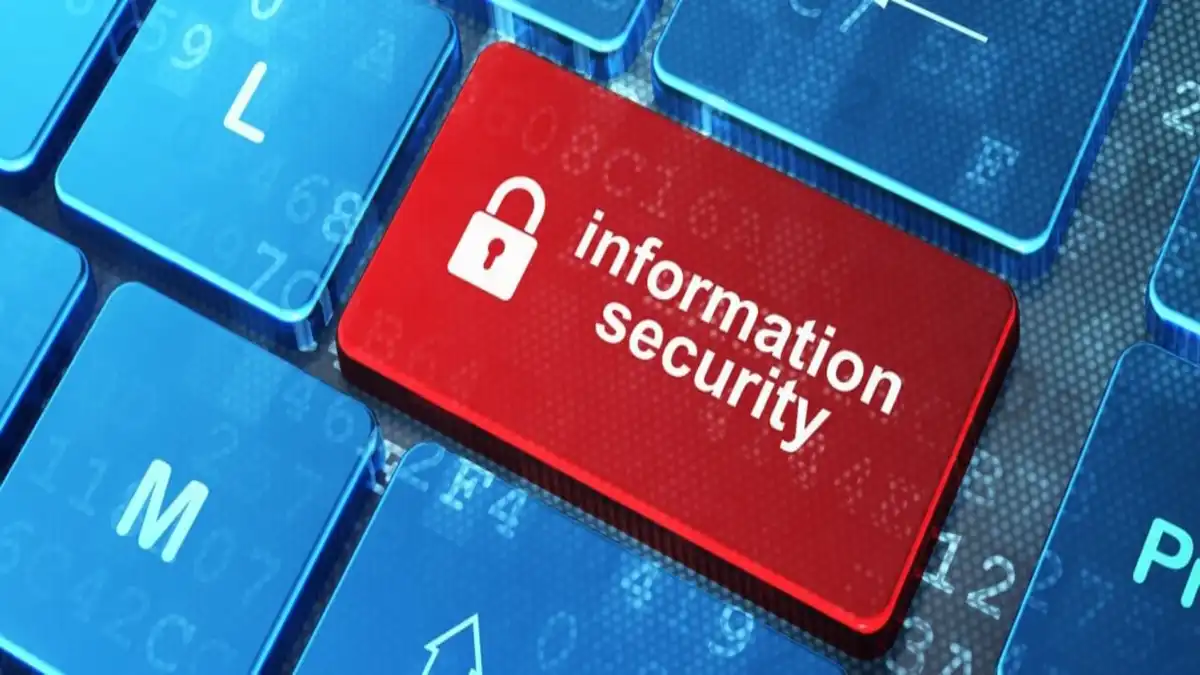
Information Security is simple the act of keeping information safe from unwanted or unauthorized access, use, modification, disclosure or destruction. This means that making sure data doesn’t get to the wrong hands to be used for nefarious purposes. You need to treat your information as sacred which must not be made known just about anybody.
Your information when fallen into wrong hands can be used to do things which can put you in trouble with the law or sometimes even bankrupt you. Oh, and there’s reputational damage which as we all know is almost impossible to repair. There are various types of threats to our Information online, we need to take a look at some of them and how to deal with them when we realize the issue at hand.
Social Engineering is one of the most common types of threat to our information out there. It simply talks about using human emotions to manipulate or influence people to do certain things which will never be done under normal circumstances or the right frame of mind. It’s just like tricking a kid about something, the kid will believe you because well, they think you’re adult so no lies on your part.
Social Engineering can be used to manipulate you into giving out critical information of yours or even in some places clear out your bank or mobile service account. Let’s look at an all-too-common example which happens mostly in Ghana.
Let’s say you’re enjoying your lovely evening and out of nowhere a strange number calls, “hello, I’m Karl, I’m the admin of X group on WhatsApp, hackers have taken over the group and I’m moving members to a new group I just created. I’ll send you a code soon, kindly send me that code when you receive it on your phone.” And you ignorant one will obey without question, you don’t stop to think if it makes sense or not.
How does someone who sends a code to your phone not know the code sent to you? Also, when you even receive the message, WhatsApp clearly makes it clear to you that you’re trying to create your WhatsApp account on a new phone, if you’re not the one, don’t share it with anyone.
Let’s look at another all-too-common scenario in the same Ghana. This has to do with mobile money services. Your screen suddenly lights up with an SMS notification, you check it out to see that you’ve received money from someone, spoiler alert; the SMS is full of grammar errors but because you’re used to receiving the original message format constantly, you don’t even bother to check if its real or forged. If you mistakenly send the money back to the person as the good Samaritan that you want to be, well, your account will be emptied.
The thing with Social Engineering is that, if something feels off, then it probably is. Also, try to be logical in situations where someone tries to sort of emotionally blackmail you into doing things else you will regret it.
Phishing is another type of threat common to information security. It is a deceptive attempt to acquire, obtain or get sensitive information (such as usernames and passwords or credit card details) by disguising as a trustworthy entity, website or link in an electronic communication or online.
Picture this; you’re casually surfing the web when you see something that reads “make $10 in a minute by playing this game.” As the money loving person that you are, you quickly click the link without hesitation. After playing the minute game, you’re asked to provide your bank details to receive the money. Ladies and gentleman, filling in the details will send your details to unauthorized people who can use your details for their own means or tragically, wipe the bank account clean.
Another scenario; you just received an email from company HR asking you to fill your personal and financial details in order for it to be updated on the database. No questions asked, you clicked the link, filled your details and sent it without thinking twice or checking for anything off. What could go wrong? Well, it turns your HR never sent that email, it was someone mimicking him and you just gave out your details to be sent to the dark web of finance.
To protect yourself from phishing, always check to be sure the message or email is authentic and from the supposed person. Avoid clicking on unknown links online or offline, they could just be phishing links which look menacingly real and ready to send your details to the slaughter house.
Well, that does it for now. There are many threats you can find but this article will just limit it to these two, they’re the most common and menacing ones you can find around. Try as much as possible to also stay updated on current happenings with regards to keeping your information safe, it’s a lifesaver.